As an ecommerce entrepreneur, you know that email marketing is a powerful tool for driving sales, building customer loyalty, and growing your brand. In fact, studies show that email marketing can generate an impressive return on investment (ROI) of up to $42 for every $1 spent. But with so many moving parts and strategies to consider, it can be overwhelming to know where to start.
In this comprehensive guide, we'll dive deep into the world of ecommerce email marketing, covering everything from the basics to advanced tactics that can help you take your online store to new heights. Whether you're a seasoned pro or just starting out, you'll walk away with a clear understanding of how to leverage email to boost your ecommerce business.
The Foundations of Ecommerce Email Marketing
Before we dive into the nitty-gritty of ecommerce email marketing, let's start with the basics. Email is one of the most cost-effective and powerful marketing channels available to ecommerce businesses, offering a direct line of communication with your customers and prospects.
Here are just a few of the key benefits of ecommerce email marketing:
- Cost-Effective: Compared to other marketing channels like paid advertising or direct mail, email marketing is incredibly cost-effective, with a typical ROI of $42 for every $1 spent.
- Increased Customer Lifetime Value (LTV): Email marketing can help increase your customer LTV by up to 10x, as it allows you to stay top-of-mind and continue engaging with customers long after their initial purchase.
- Improved Brand Awareness and Loyalty: By consistently delivering valuable content and offers to your subscribers, you can build stronger relationships with your customers and position your brand as a trusted authority in your industry.
- Targeted and Personalized Messaging: Email marketing allows you to segment your audience and deliver highly personalized content and offers, which can significantly improve engagement and conversion rates. To get the most out of your ecommerce email marketing efforts, it's important to choose the right platform. One of the most popular and powerful options is Klaviyo, a robust email marketing tool designed specifically for ecommerce businesses.
Klaviyo offers a range of features that make it an ideal choice for ecommerce email marketing, including:
- Advanced Segmentation and Personalization: Klaviyo's powerful segmentation and personalization capabilities allow you to deliver highly targeted and relevant content to your subscribers.
- Automated Email Flows: With Klaviyo, you can easily set up automated email flows, such as welcome series, abandoned cart reminders, and post-purchase follow-ups, to nurture your customers and drive more sales.
- Detailed Analytics and Reporting: Klaviyo provides in-depth analytics and reporting, giving you a clear understanding of your email marketing performance and helping you make data-driven decisions.
- Seamless Integration with Ecommerce Platforms: Klaviyo integrates seamlessly with popular ecommerce platforms like Shopify, WooCommerce, and BigCommerce, making it easy to sync your customer data and automate your email marketing workflows. By leveraging a powerful email marketing platform like Klaviyo, you can unlock the full potential of ecommerce email marketing and drive significant growth for your online business.
Crafting Effective Ecommerce Email Campaigns
Now that you have a solid understanding of the foundations of ecommerce email marketing, let's dive into the key elements of creating effective email campaigns that drive results.
Developing a Winning Email Marketing Strategy
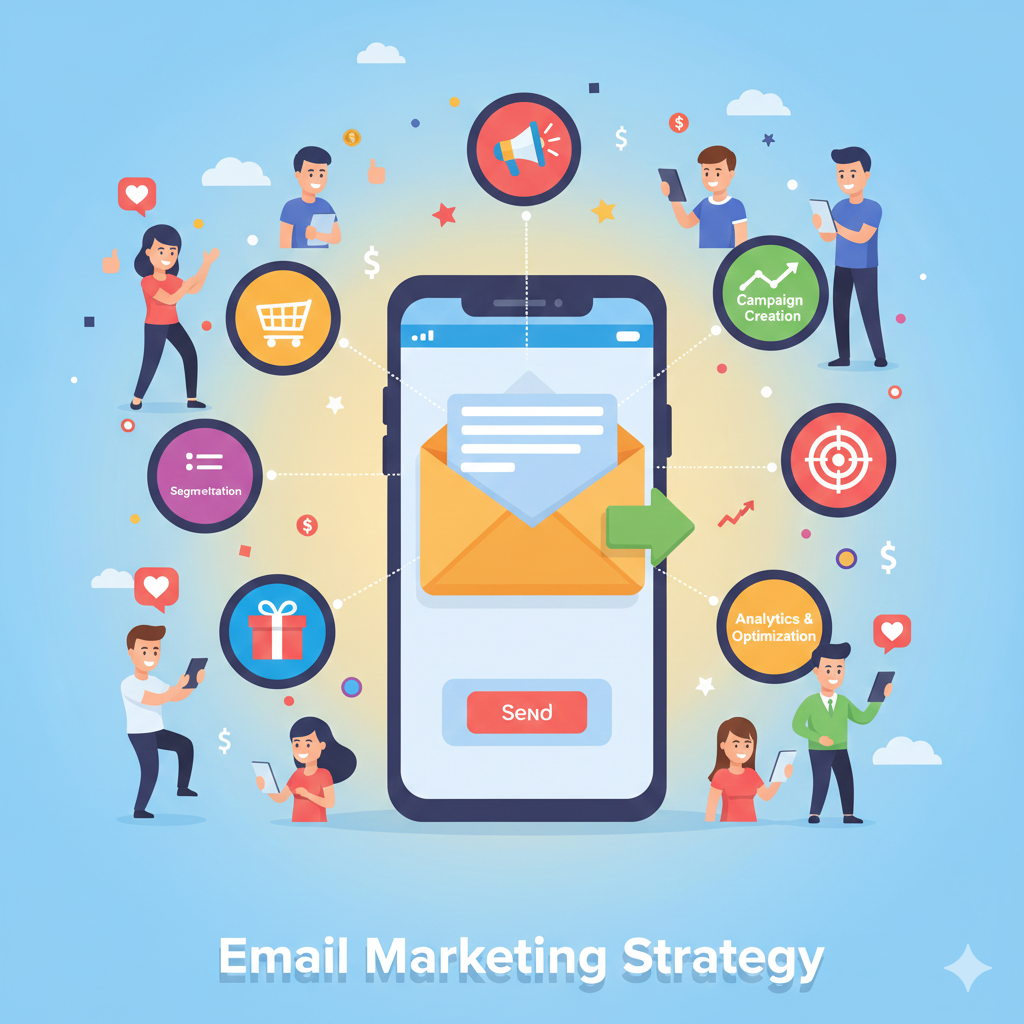
The foundation of any successful ecommerce email marketing campaign is a well-thought-out strategy. Your email marketing strategy should be aligned with your overall business goals and tailored to the unique needs and preferences of your target audience.
Here are some key components to consider when developing your ecommerce email marketing strategy:
- Campaign Types: Your email marketing strategy should include a mix of different campaign types, such as promotional offers, educational content, and customer engagement initiatives. Aim for a 3:1 ratio of educational to promotional content to build trust and credibility with your subscribers.
- Frequency and Timing: Determine the optimal frequency and timing for your email campaigns. As a general rule, the top-performing ecommerce brands send 3-5 campaigns per week to stay top-of-mind with their customers.
- Segmentation and Personalization: Leverage your customer data to segment your email list and deliver highly personalized content and offers. This can significantly improve engagement and conversion rates.
- Automated Email Flows: Set up automated email flows, such as welcome series, abandoned cart reminders, and post-purchase follow-ups, to nurture your customers and drive more sales.
- Performance Tracking and Optimization: Continuously monitor the performance of your email campaigns and make data-driven adjustments to improve your results over time. By developing a comprehensive email marketing strategy that addresses these key elements, you'll be well on your way to driving more sales and engagement for your ecommerce business.
Crafting Compelling Email Content and Design
Once you have your email marketing strategy in place, it's time to focus on the content and design of your email campaigns. Your email content and design play a crucial role in capturing your subscribers' attention, conveying your brand's message, and ultimately driving them to take action.
Here are some best practices for creating compelling ecommerce email content and design:
- Attention-Grabbing Subject Lines: Your subject line is the first thing your subscribers will see, so it's essential to craft something that piques their interest and encourages them to open your email. Use a mix of personalization, urgency, and curiosity to make your subject lines stand out.
- Engaging and Informative Copy: Your email copy should be concise, punchy, and tailored to your audience's needs and interests. Focus on highlighting the benefits of your products or services, and use a conversational tone to build a stronger connection with your subscribers.
- Visually Appealing Design: Your email design should be visually appealing, on-brand, and optimized for both desktop and mobile devices. Consider using high-quality product images, eye-catching graphics, and clear calls-to-action to guide your subscribers through the desired actions.
- Personalization and Segmentation: Leverage your customer data to personalize your email content and design, such as by including the recipient's name, highlighting their past purchases, or showcasing products they've previously viewed.
- Optimized for Mobile: With the majority of email opens happening on mobile devices, it's crucial to ensure your email design is mobile-friendly and easy to navigate on smaller screens. By focusing on creating compelling, visually appealing, and personalized email content, you can significantly improve your open and click-through rates, ultimately driving more sales and revenue for your ecommerce business.
Ecommerce Email Marketing Strategies for Beginners
If you're new to ecommerce email marketing, the sheer number of strategies and tactics can feel overwhelming. However, by focusing on a few key beginner-friendly strategies, you can start seeing results and build a solid foundation for future growth.
Building Your Email List
One of the most important aspects of ecommerce email marketing is building a robust and engaged email list. After all, you can't run effective email campaigns without a list of subscribers to target.
There are several effective ways to grow your ecommerce email list, including:
- Post-Purchase Opt-ins: Offer customers the option to join your email list during the checkout process, either by pre-checking a box or providing an incentive like a discount or freebie.
- Website Pop-ups and Forms: Use strategic pop-ups and opt-in forms on your website to capture the attention of visitors and encourage them to subscribe to your email list. Aim for a conversion rate of 6-12% to build your list quickly.
- Giveaways and Contests: Run giveaways or contests that require email opt-in to participate, which can help you attract new subscribers who are interested in your products or brand.
- Offline Promotion: Don't forget to promote your email list in your physical store, on product packaging, or at events, to reach potential subscribers who may not have discovered you online. Remember, the quality of your email list is just as important as the quantity. Focus on attracting subscribers who are genuinely interested in your products and brand, as this will lead to higher engagement and better results in the long run.
Automating Your Email Flows
One of the most powerful ecommerce email marketing strategies for beginners is to set up automated email flows. These pre-scheduled sequences of emails are triggered by specific actions or events, allowing you to nurture your customers and drive more sales without the need for constant manual intervention.
Some of the essential automated email flows for ecommerce businesses include:
- Welcome Series: A series of emails that introduce new subscribers to your brand, highlight your unique selling propositions, and provide an incentive to make their first purchase.
- Abandoned Cart Reminders: A series of emails sent to customers who have added items to their cart but haven't completed the purchase, reminding them of the items they left behind and providing an incentive to finish the transaction.
- Post-Purchase Flows: A series of emails that thank customers for their purchase, provide information on product usage or care, and encourage them to leave a review or make a repeat purchase.
- Win-Back Campaigns: A series of emails sent to customers who haven't made a purchase in a while, aiming to re-engage them with your brand and entice them to make another purchase. By setting up these automated email flows, you can ensure that your customers are consistently engaged and nurtured, even when you're not actively managing your email marketing campaigns. This can lead to significant improvements in customer retention, repeat purchases, and overall revenue growth.
Leveraging Segmentation and Personalization
Another key ecommerce email marketing strategy for beginners is to focus on segmentation and personalization. By dividing your email list into smaller, more targeted segments and tailoring your content and offers to each group, you can significantly improve the relevance and effectiveness of your email campaigns.
Some effective ways to segment and personalize your ecommerce email marketing include:
- Demographic Segmentation: Group your subscribers based on factors like age, gender, location, or income level, and create targeted content and offers that resonate with each segment.
- Behavioral Segmentation: Segment your list based on subscriber actions, such as past purchases, website browsing behavior, or engagement with previous email campaigns.
- Lifecycle Segmentation: Group your subscribers based on their stage in the customer lifecycle, such as new leads, recent customers, or long-term loyal buyers, and tailor your messaging accordingly.
- Personalization: Incorporate personalized elements into your email content, such as the subscriber's name, past purchase history, or product recommendations based on their interests and behavior. By leveraging segmentation and personalization, you can create a more engaging and relevant email experience for your subscribers, leading to higher open and click-through rates, and ultimately, more sales and revenue for your ecommerce business.
Advanced Ecommerce Email Marketing Strategies
Once you've mastered the beginner-friendly ecommerce email marketing strategies, it's time to explore some more advanced tactics that can help you take your email marketing to the next level.
Optimizing for Deliverability
One of the most important, yet often overlooked, aspects of ecommerce email marketing is deliverability. If your emails aren't reaching your subscribers' inboxes, all your hard work in creating compelling content and campaigns will be for naught.
To optimize your email deliverability, consider the following strategies:
- Maintain a Clean Email List: Regularly clean your email list by removing inactive or unengaged subscribers, as well as any email addresses that bounce or report your emails as spam.
- Improve Email Content and Design: Ensure your email content and design are high-quality, relevant, and free of any spam-like elements that could trigger inbox providers to flag your messages.
- Authenticate Your Domain: Set up email authentication protocols like SPF, DKIM, and DMARC to verify that your emails are coming from a legitimate source and reduce the risk of deliverability issues.
- Monitor and Improve Engagement: Closely monitor your email engagement metrics, such as open rates, click-through rates, and unsubscribe rates, and make adjustments to improve performance over time. By focusing on email deliverability, you can ensure that your ecommerce email marketing campaigns are reaching your subscribers' inboxes and driving the desired results.
Leveraging Dynamic Content and Personalization
To take your ecommerce email marketing to the next level, consider incorporating dynamic content and advanced personalization techniques. These strategies allow you to create highly tailored and relevant email experiences that resonate with your subscribers on a deeper level.
Some examples of dynamic content and personalization in ecommerce email marketing include:
- Product Recommendations: Use your subscribers' browsing and purchase history to dynamically display personalized product recommendations within your email campaigns.
- Countdown Timers: Incorporate countdown timers into your emails to create a sense of urgency and encourage subscribers to take action before a promotion or offer expires.
- Personalized Discounts: Offer personalized discounts or coupon codes based on a subscriber's past purchases, browsing behavior, or lifecycle stage.
- Dynamic Content Blocks: Create modular email templates with dynamic content blocks that can be swapped out based on a subscriber's interests, location, or other segmentation criteria. By leveraging these advanced personalization techniques, you can create a more engaging and relevant email experience for your subscribers, leading to higher conversion rates and increased customer loyalty.
Integrating Email with Other Marketing Channels
To maximize the impact of your ecommerce email marketing efforts, it's important to integrate your email campaigns with other marketing channels, such as social media, paid advertising, and your website.
Some ways to integrate email marketing with other channels include:
- Social Media Promotion: Promote your email list and email campaigns across your social media platforms, encouraging your followers to subscribe and engage with your content.
- Paid Advertising Integration: Use your email list to create targeted ad audiences on platforms like Facebook and Google, and retarget your email subscribers with relevant offers and content.
- Website Optimization: Ensure your website is optimized for email list growth, with prominent opt-in forms and calls-to-action that encourage visitors to subscribe to your email list.
- Cross-Channel Messaging: Align the messaging and branding across your email campaigns, social media posts, and website content to create a cohesive and consistent customer experience. By integrating your ecommerce email marketing with other marketing channels, you can amplify your reach, improve customer engagement, and drive more sales and revenue for your online business.
Conclusion
Ecommerce email marketing is a powerful tool for driving sales, building customer loyalty, and growing your online business. By mastering the strategies and tactics covered in this comprehensive guide, you'll be well on your way to unlocking the full potential of email marketing