In the ever-evolving landscape of digital marketing, one element has emerged as a true game-changer: community building. As we look ahead to 2026, the brands and creators who are able to foster genuine, engaged communities around their products and services will be the ones that truly thrive.
Based on insights from industry experts Daisy Morris, Kira Matthews, and Beth Thomas, this guide outlines the strategic shift from "audience management" to "community hosting."
Throughout our discussion, a few key themes emerged that are essential for any brand or creator looking to build a loyal, passionate community in the years to come. Let's dive in.
The Power of Community in 2024 (and Beyond)
As our panelists noted, the brands and creators who are excelling at community-building are the ones who are "absolutely crushing it" in 2024. Why? Because their customers are deeply loyal, constantly singing their praises to friends, and eagerly anticipating every new product drop.
Kira Matthews explained it perfectly: "Their customers absolutely love them...they talk to their friends about them when they drop a new product, they buy it instantly, and they're extremely loyal. They're actually not interested in the competition."
This level of devotion and advocacy is the holy grail for any brand or creator. But it doesn't happen by accident. It requires a strategic, intentional approach to building genuine connections with your audience.
The Importance of Real Conversations
One of the key insights that emerged from our discussion is the critical need to move beyond just relying on metrics and social listening. While those tools can provide valuable data, they often fall short when it comes to truly understanding the sentiment and needs of your community.
As Daisy Morris pointed out, "quite often and rightly so, marketers will rely on things like social listening and metrics and look at graphs and content that's performed really well. But I think what we actually lack is going and actually talking to people and talking to your community."
She went on to share a powerful anecdote from a conference she attended, where the former head of Facebook Groups emphasized the importance of having real conversations with your community, rather than just looking at the numbers.
"He said without a shadow of a doubt, 'Forget social listening metrics, forget like actual just like stats and metrics - talk to people. Whether that is focus groups, whether that's events, whether that's like intimate spaces so Telegram groups, WhatsApp groups, spaces that you can actually go and have conversations, get real-time feedback, and not just rely on metrics.'"
This sentiment was echoed by the other panelists as well. Kira Matthews shared how, in her experience working at a beauty brand, the team would regularly go live on social media to have authentic, two-way conversations with their community. This allowed them to truly understand the sentiment and needs of their audience, beyond just the surface-level metrics.
The Power of Hosting and Human Connection
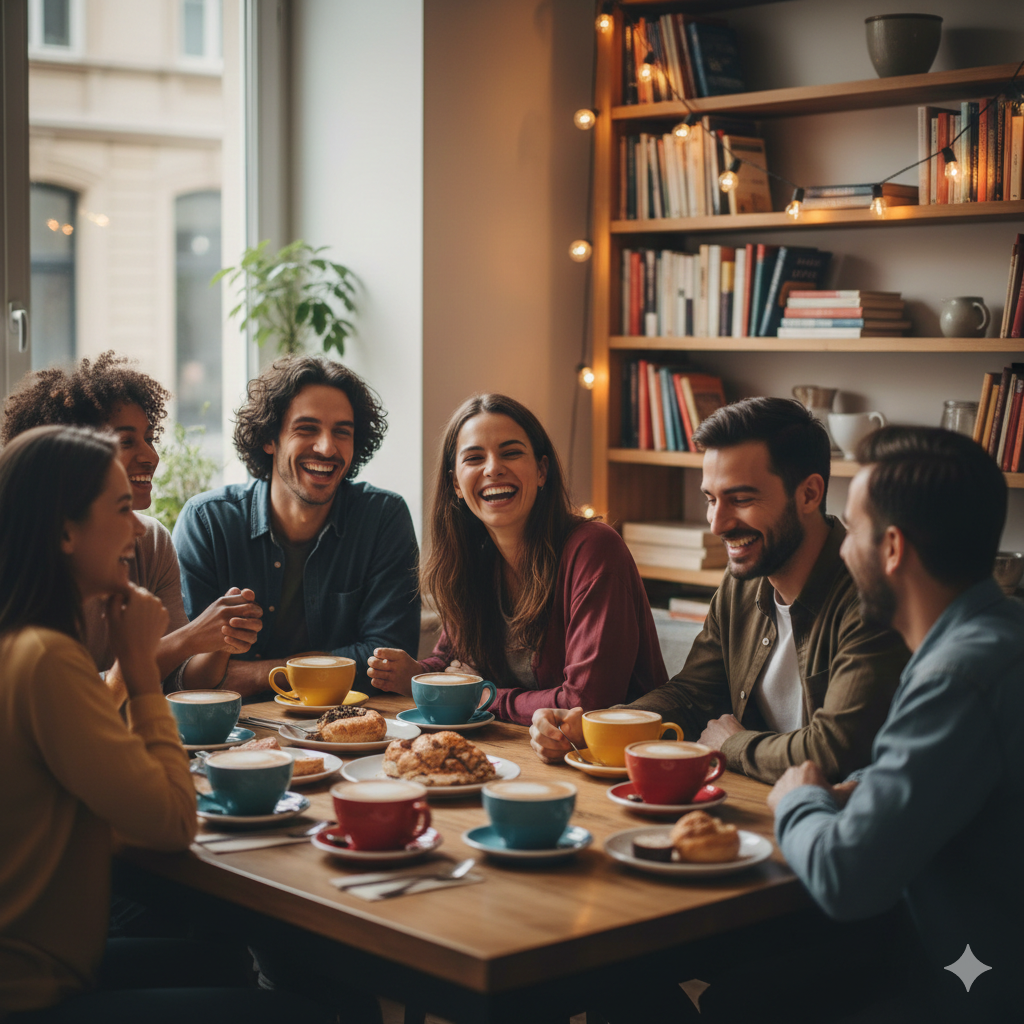
Another key insight that emerged was the importance of replicating the feeling of human connection and hospitality that you would experience in the offline world. As Daisy Morris explained, she approaches community-building much like she would hosting a dinner party at her own home.
"I'm an Aries and I am the friend who loves hosting dinners and drinks at my house. It's my favorite thing to do. And what happens when someone comes to my house? I greet them at the door, I say hello, I take their coat, I offer them a drink. I have multiple selections of teas and various really lovely things, and I've usually thought through the experience that we're going to have together to the smallest of details."
This level of thoughtfulness and personalization is what helps to foster a sense of belonging and community, whether online or offline. And as Kira Matthews pointed out, it's something that many brands struggle with when it comes to their online events and gatherings.
"I often work and consult with brands who are hosting events online and in person, and I think one of the things that brands struggle with is that they get a lot of talent or they get a lot of people in a room, and there's no way to connect. There's no easy way to say hello to the person next to you."
The key, then, is to find ways to replicate that human touch and hospitality in the digital realm. Whether it's through live video sessions, intimate Telegram or WhatsApp groups, or even physical touchpoints like printed newsletters and coffee coupons, the goal is to create an experience that feels personal and welcoming.
Leveraging Live Sessions to Build Community
Speaking of live video, our panelists highlighted this as a powerful tool for fostering genuine community engagement. As Kira Matthews shared, when she worked at a beauty brand, they would regularly go live on Facebook and Instagram, turning several of their employees into the "faces of the brand."
"People would know to come to us, and we really did build actual communities there. I knew that people were having babies and I knew there was a wedding, and when you work at a brand and you're just sitting behind a desk, no one's volunteering that information to you. So how are you supposed to build an actual community? You need real people to really help a brand do that."
This approach allowed the brand to create a sense of personal connection and familiarity with their audience, beyond just the typical one-way content sharing. And as Kira noted, the live format on platforms like TikTok can be particularly effective, as the algorithm makes these live sessions more discoverable to users beyond just the brand's existing followers.
Navigating Authenticity in Community Building
Of course, with any community-building efforts, there's always the risk of coming across as inauthentic or disingenuous. Our panelists acknowledged this challenge and shared their insights on how to approach community building in a way that feels genuine and trustworthy.
Kira Matthews emphasized the importance of always considering how your community would perceive a given initiative or campaign. "I am always asking myself, 'What will my audience or my community think about this? What will the average person in my audience think about this?' If I think that they would absolutely love it, they would be so excited, they can't wait, maybe they've already been asking me for something like this, then I will go for it. But if I think it's kind of like another thing to add that I won't, I kind of agree with your point in the sense that like what you were saying about community, how it takes time, there's a real relationship that you're cultivating."
Daisy Morris built on this, highlighting the need to avoid simply chasing metrics or trends, and instead focus on creating experiences and content that truly resonate with your community.
"If you are a brand or a company that's just focusing on ROI, you're not going to stick in the hearts and minds of people. They're not going to come to your website because they've remembered you - they're going to go to the brands that are already existing in an authentic way within their communities."
This sentiment underscores the importance of taking a long-term, relationship-building approach to community, rather than just trying to drive short-term sales or engagement. It's about fostering genuine connections and loyalty that will pay dividends over time.
Preparing for the Unexpected: Navigating Social Media Outages
One of the key insights that emerged from our discussion was the need to have a "Plan B" when it comes to community building - particularly in light of the social media outages that have become more common in recent years.
As Daisy Morris pointed out, the 2021 Facebook/Instagram outage was a stark reminder that brands and creators can't solely rely on these platforms to maintain their community connections. "After that, I was like, 'Oh my gosh, like we really need to think about if these platforms just like have a meltdown or we can't access them tomorrow, how do we access our communities? How do we build conversation and know that we can still have these connections with people offline and online?'"
Her advice? Look beyond just social media and focus on building owned channels like email lists, WhatsApp groups, and Telegram communities. These platforms give you more control and ownership over your community, ensuring that you can continue to engage and nurture your audience even if the social media landscape shifts.
As an example, Daisy highlighted the Diary of a CEO podcast, which has found immense value in its Telegram group. As Grace Andrews, the marketing director, shared with Daisy, "the most valuable tool that they have is their Telegram group...they get so much insight from that group because Steph [the host] shares voice notes, updates, they tease out product drops, they talk about different topics and kind of get the appetite for what their audience is interested in."
By having this direct line of communication with their most engaged fans, the Diary of a CEO team is able to gather invaluable feedback and insights, while also building a sense of community and loyalty that extends beyond any single platform.
Strategies for Authentic Engagement
Throughout our discussion, the panelists shared a wealth of practical strategies and tactics for fostering authentic community engagement. Here are some of the key takeaways:
- Prioritize real conversations over metrics: Don't just rely on social listening and data - make the effort to actually talk to your community members, whether through focus groups, events, or intimate digital spaces like Telegram or WhatsApp groups.
- Replicate the feeling of human connection: Approach community building like you would hosting a dinner party or event - focus on personalized touches, thoughtful experiences, and making your community members feel truly welcomed and valued.
- Leverage live video sessions: Use live streaming platforms like TikTok, Facebook, and Instagram to create a sense of real-time connection and interaction with your audience.
- Build owned community channels: Supplement your social media presence with owned channels like email lists, Telegram groups, and WhatsApp communities, which give you more control and ownership over your audience relationships.
- Collaborate with micro-influencers and creators: Partner with niche, highly-engaged creators who already have strong communities that align with your brand - this can be a powerful way to tap into new audiences and build authentic connections.
- Prioritize co-creation and community input: Involve your community in the product development process, whether through feedback, idea submissions, or even voting on new product concepts. This fosters a sense of ownership and investment.
- Offer tiered rewards and recognition: Implement loyalty programs, exclusive access, and other incentives to reward your most engaged community members and foster a sense of belonging. Ultimately, the key to building a thriving brand community in 2026 and beyond is to approach it with a genuine, human-centric mindset. It's about fostering real connections, understanding your audience's needs and sentiments, and creating experiences that make people feel truly valued and invested in your brand.
As Kira Matthews so eloquently put it, "if you can just get someone in, really nurture them, really look after that person, and create a loyal and engaged advocate, that basically does your job for you." That, my friends, is the power of community.