
In today's rapidly evolving digital landscape, customer engagement has become a critical component of any successful marketing strategy. As the number of platforms and touchpoints through which we can reach our customers continues to grow, the ability to effectively engage and connect with them has never been more important.
In this comprehensive guide, we'll dive deep into the world of customer engagement, exploring its definition, importance, and the strategies you can implement to captivate your audience and drive meaningful interactions in 2026 and beyond.
What Is Customer Engagement?
Customer engagement is the emotional connection and interaction that a customer has with a brand or business. It goes beyond simply making a purchase or using a product or service. It's about creating a meaningful, ongoing relationship that fosters loyalty, advocacy, and a sense of belonging.
At its core, customer engagement is about understanding your customers' needs, preferences, and behaviors, and then using that knowledge to deliver personalized, valuable, and engaging experiences. This can take many forms, from social media interactions and email campaigns to in-person events and customer support interactions.
Why Is Customer Engagement Important?
In today's highly competitive and saturated market, customer engagement is more important than ever. Here are some of the key reasons why:
- Increased Customer Loyalty: Engaged customers are more likely to remain loyal to a brand, making repeat purchases and becoming advocates for the business. This can lead to a higher customer lifetime value and a more sustainable, profitable business model.
- Improved Customer Retention: Engaged customers are less likely to churn or switch to a competitor, as they feel a stronger emotional connection to the brand and are more invested in its success.
- Enhanced Brand Reputation: Engaged customers are more likely to share positive experiences and recommendations with their networks, helping to build a strong, positive brand reputation that can attract new customers.
- Increased Revenue and Profitability: Engaged customers tend to spend more, have a higher average order value, and are more likely to make repeat purchases, all of which can lead to increased revenue and profitability for the business.
- Valuable Insights and Feedback: Engaged customers are more likely to provide valuable feedback and insights that can help businesses improve their products, services, and marketing strategies.
How Do You Measure Customer Engagement?
Measuring customer engagement is crucial for understanding the effectiveness of your strategies and identifying areas for improvement. Here are some of the key metrics you can use to track customer engagement:
Engagement Rate
Engagement rate is a measure of how actively your customers are interacting with your brand across various channels, such as social media, email, and your website. This can include metrics like likes, shares, comments, clicks, and time spent on your content.
Customer Lifetime Value (CLV)
Customer Lifetime Value is a measure of the total revenue a customer is expected to generate over the course of their relationship with a business. Engaged customers tend to have a higher CLV, as they are more likely to make repeat purchases and become loyal advocates for the brand.
Net Promoter Score (NPS)
Net Promoter Score is a measure of how likely a customer is to recommend a business to their friends and family. A high NPS is a strong indicator of customer engagement and loyalty.
Customer Satisfaction (CSAT)
Customer Satisfaction is a measure of how satisfied customers are with a business's products, services, and overall experience. Engaged customers tend to have higher CSAT scores.
Churn Rate
Churn rate is a measure of how many customers a business loses over a given period of time. A low churn rate is a sign of strong customer engagement and loyalty.
By tracking these and other relevant metrics, businesses can gain a deeper understanding of their customer engagement levels and identify areas for improvement.
Tips for Better Customer Engagement
Now that we've covered the basics of customer engagement, let's dive into some practical tips and strategies you can implement to enhance your customer engagement efforts in 2026 and beyond:
Personalize the Customer Experience
In the age of hyper-personalization, customers expect brands to understand their unique needs, preferences, and behaviors. By leveraging data and technology, you can create personalized experiences that resonate with your customers and make them feel valued.
This can include personalized product recommendations, customized email campaigns, and targeted social media content. For example, you could use [a link to the "How to Increase Facebook Engagement" video] to create a series of Facebook posts that provide personalized tips and strategies for your customers to boost their own engagement on the platform.
Leverage User-Generated Content (UGC)
User-generated content, such as customer reviews, social media posts, and testimonials, can be a powerful tool for building trust and engagement with your audience. By showcasing and amplifying your customers' voices, you can create a sense of community and authenticity that resonates with your target audience.
Consider incorporating UGC into your marketing campaigns, website, and social media channels. You could even [a link to the "The Full And Updated Guide To Facebook Reels: Tutorials + Best Practices" video] to create a series of Facebook Reels that highlight your customers' experiences and showcase their engagement with your brand.
Prioritize Omnichannel Engagement
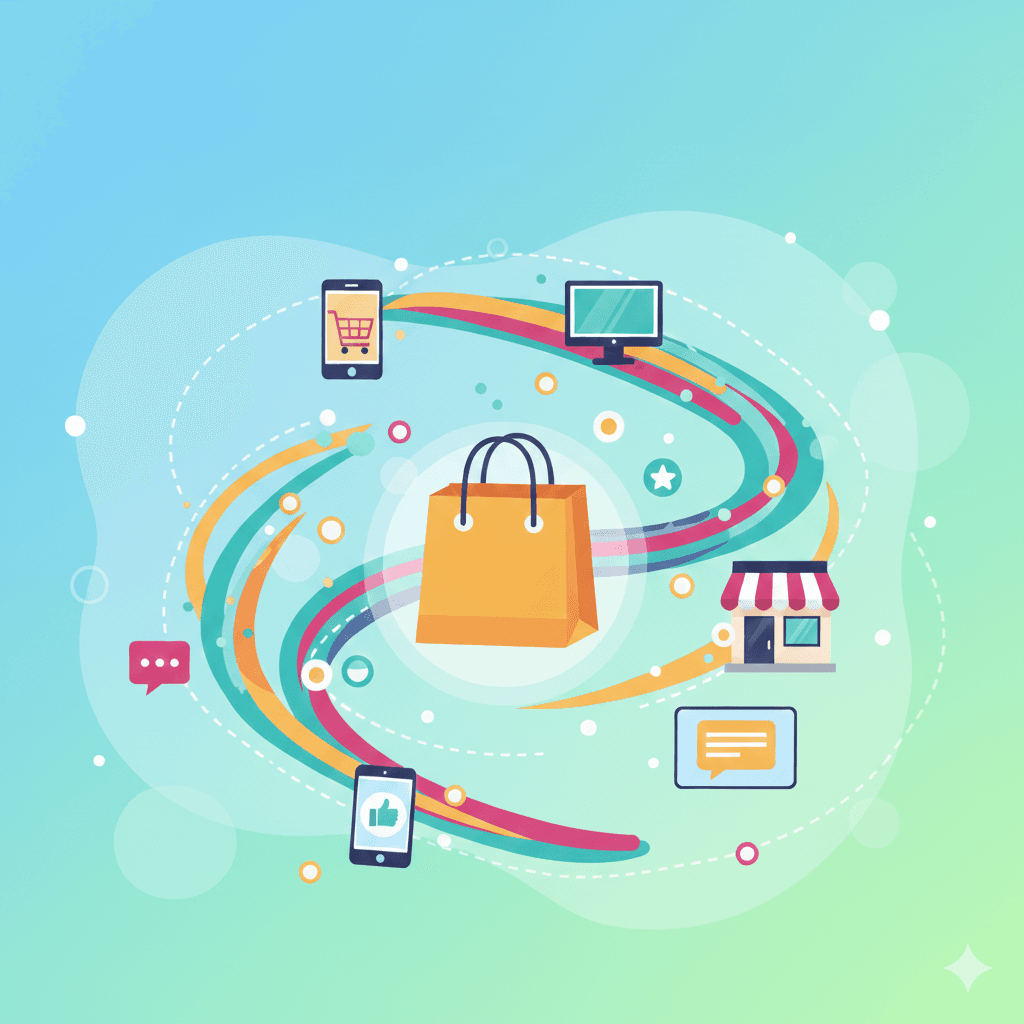
In today's digital landscape, customers expect to be able to engage with brands across multiple channels, from social media and email to in-person interactions and customer support. By adopting an omnichannel approach to customer engagement, you can create a seamless, consistent experience that meets your customers where they are.
This might involve [a link to the "Facebook Reels Monetization: How to Get Started" video] to create a series of Facebook Reels that showcase your brand's presence and engagement across various digital channels, or [a link to the "Marketing for Small Business: Effective Marketing Strategies" video] to develop a comprehensive marketing strategy that integrates multiple touchpoints and platforms.
Foster Meaningful Conversations
Effective customer engagement is not just about broadcasting your message; it's about creating genuine, two-way conversations that build trust and foster a sense of community. By actively listening to your customers, responding to their questions and concerns, and engaging in meaningful dialogue, you can create a stronger emotional connection and a more loyal customer base.
Consider [a link to the "The Ultimate Guide To Facebook Marketplace (w/ Tips)" video] to explore how you can leverage platforms like Facebook Marketplace to facilitate more personalized, conversational interactions with your customers.
Continuously Optimize and Iterate
Customer engagement is not a one-time effort; it's an ongoing process that requires continuous optimization and iteration. By regularly analyzing your customer engagement metrics, gathering feedback, and testing new strategies, you can continuously refine and improve your approach to ensure that you're meeting the evolving needs and preferences of your target audience.
Remember, the key to successful customer engagement in 2026 and beyond is to stay agile, adaptable, and focused on delivering value to your customers at every touchpoint.