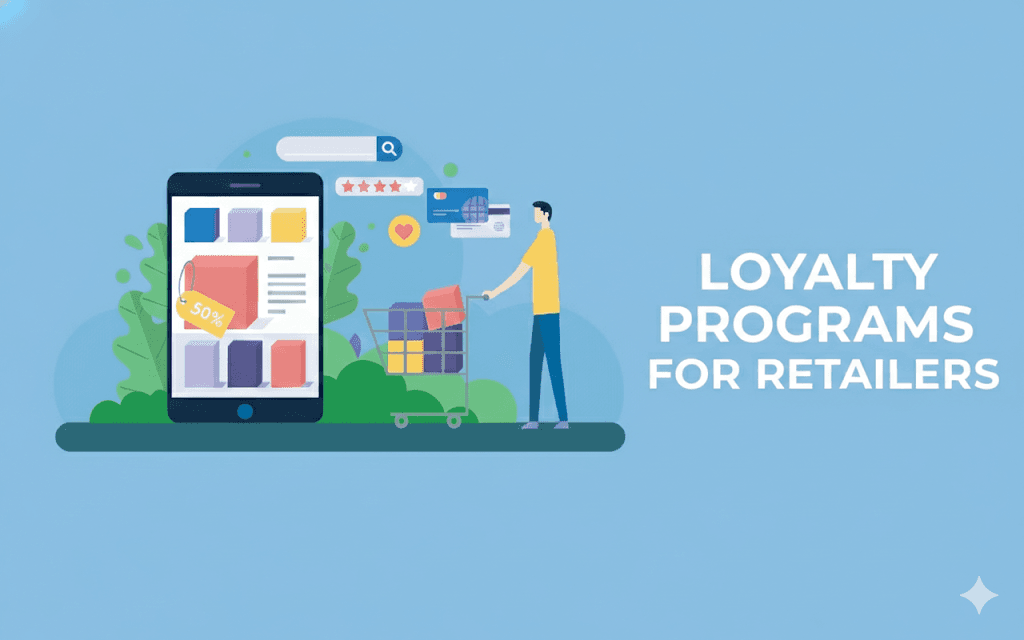
As a business owner or marketer, one of your primary goals should be to build strong, lasting relationships with your customers. After all, your company's most valuable asset is how it is known to its customers. In this in-depth blog post, we'll explore proven strategies for achieving customer retention, loyalty, and repeat sales - the three key pillars of long-term business success.
The Importance of Customer Retention
Customer retention is a critical metric for any business. It refers to the percentage of long-term clients who continue to do business with your company over time. These long-term customers are far more valuable than short-term, one-time buyers for several key reasons:
- They spend more money. Repeat customers are already familiar with your products or services and tend to enjoy them, so they are more likely to continue purchasing from you.
- They cost less to acquire. It's much less expensive to market to existing customers than it is to attract new ones through advertising and other promotional efforts.
- They provide valuable referrals. Satisfied long-term customers are more likely to recommend your business to their friends, family, and colleagues, bringing you new leads at no additional cost. In fact, studies have shown that increasing customer retention rates by just 5% can boost profits by 25% to 95%. So how do you go about retaining more of your customers? Here are some effective strategies:
Strategies for Improving Customer Retention
Provide Excellent Customer Support
One of the most important things you can do to retain customers is to ensure they receive outstanding support whenever they need it. Make it easy for them to get their questions answered, problems resolved, and concerns addressed in a timely and satisfactory manner.
This could involve having a responsive customer service team available by phone, email, and chat, as well as providing self-service resources like a comprehensive FAQ section on your website. Regularly surveying your customers to measure their satisfaction levels and address any pain points is also crucial.
It's important to require a reasoning section for any customer cancellations or downgrades. This gives you valuable insight into why they may be unhappy, allowing you to take steps to remedy the situation and potentially retain them.
Offer Loyalty Rewards and Incentives
Providing special perks and discounts for your long-term, loyal customers is an excellent way to show your appreciation and encourage them to keep coming back. This could include things like:
- Exclusive sales or promotions
- Tiered loyalty programs with escalating rewards
- Birthday or anniversary discounts
- Referral bonuses
- Free products or services The key is to make your long-term customers feel valued and recognized for their continued business. This will reinforce their sense of brand loyalty and make them less likely to defect to a competitor.
Maintain Consistent Communication
Staying in regular contact with your customers is essential for building strong, lasting relationships. This involves more than just sending the occasional promotional email - it's about creating a genuine, personalized connection.
Some effective ways to do this include:
- Sending handwritten thank-you notes
- Remembering and following up on personal details they've shared
- Providing valuable content and insights beyond just sales pitches
- Inviting feedback and responding promptly
- Celebrating milestones and achievements The goal is to make your customers feel seen, heard, and appreciated as individuals, not just sources of revenue. This will go a long way in fostering loyalty and repeat business.
Building Customer Loyalty
Once you've established a solid foundation of customer retention, the next step is to cultivate true loyalty. Loyal customers are arguably the most important factor in achieving long-term business success, as they are more likely to become repeat buyers and brand advocates.
So how do you transform your retained customers into loyal, lifelong fans of your brand? Here are some key strategies:
Develop Personal Connections
As Brian Tracy emphasizes, establishing trust and loyalty with customers starts with forming genuine personal connections. This means going beyond just the transactional aspects of your relationship and taking a genuine interest in them as individuals.
Some ways to do this include:
- Remembering and following up on personal details they've shared
- Sending personalized communications like handwritten notes
- Engaging with them on social media and other platforms
- Inviting them to exclusive events or experiences
- Offering customized product or service recommendations The key is to make your customers feel seen, heard, and valued as more than just a source of revenue. This will help foster a deeper emotional connection and sense of loyalty to your brand.
Always Follow Up
Another crucial element of building customer loyalty is to always follow up in a timely manner. Whether it's responding to an inquiry, addressing a concern, or simply checking in, prompt and consistent communication is essential.
The moment you finish interacting with a customer, you should immediately send a follow-up email or message reiterating what was discussed and outlining the next steps. This shows that you're attentive, reliable, and truly invested in their satisfaction.
Failing to follow up can lead to frustration, confusion, and a breakdown in trust - the opposite of what you're trying to achieve. Make it a priority to respond quickly and thoroughly to all customer inquiries and requests.
Exceed Expectations
Finally, one of the most effective ways to build lasting customer loyalty is to consistently exceed their expectations. This means going above and beyond to deliver an exceptional experience that leaves them feeling valued, appreciated, and eager to continue doing business with you.
Some ways to do this include:
- Offering free upgrades or bonus products/services
- Resolving issues or complaints quickly and to the customer's satisfaction
- Providing personalized recommendations and insights
- Surprising customers with thoughtful gestures or gifts
- Continuously improving your products, services, and overall customer experience The key is to make your customers feel like they're getting more value than they expected. This will reinforce their sense of loyalty and make them much less likely to defect to a competitor.
Driving Repeat Sales
The final piece of the puzzle is turning your retained, loyal customers into repeat buyers. Repeat sales are crucial for boosting profitability and generating new leads, as satisfied customers are more likely to refer others to your business.
So how do you encourage your customers to keep coming back? Here are some effective strategies:
Deliver on Your Promises
One of the most important things you can do to drive repeat sales is to always deliver on your promises. This means doing exactly what you say you're going to do, and making the happiness and satisfaction of your customers your top priority.
As Brian Tracy emphasizes, if your customers feel that you have their best interests at heart, they'll be much more likely to trust you and your products or services. This trust is the foundation for repeat business.
Show Genuine Appreciation
Another key to driving repeat sales is to make your customers feel genuinely appreciated for their business. A simple "thank you" can go a long way in making them feel valued and incentivizing them to continue doing business with you.
This could involve sending handwritten notes, offering loyalty rewards and discounts, or even just a personalized email or phone call to check in and see how they're doing. The goal is to make them feel seen, heard, and appreciated as more than just a source of revenue.
Maintain Consistent Communication and Follow-Up
Just as with building customer loyalty, maintaining consistent communication and follow-up is essential for driving repeat sales. This means promptly responding to inquiries, addressing any issues or concerns, and regularly checking in to see how you can continue providing value.
The moment you finish interacting with a customer, you should immediately send a follow-up message reiterating what was discussed and outlining the next steps. This shows that you're attentive, reliable, and truly invested in their satisfaction.
Conclusion
In conclusion, building strong, lasting relationships with your customers is essential for the long-term success of your business. By focusing on customer retention, loyalty, and repeat sales, you can create a loyal customer base that not only continues to do business with you, but also actively promotes your brand to others.
Remember, Your company's most valuable asset is how it is known to its customers. So invest the time and effort into providing an exceptional customer experience, and you'll reap the rewards in the form of increased profitability, growth, and brand advocacy.