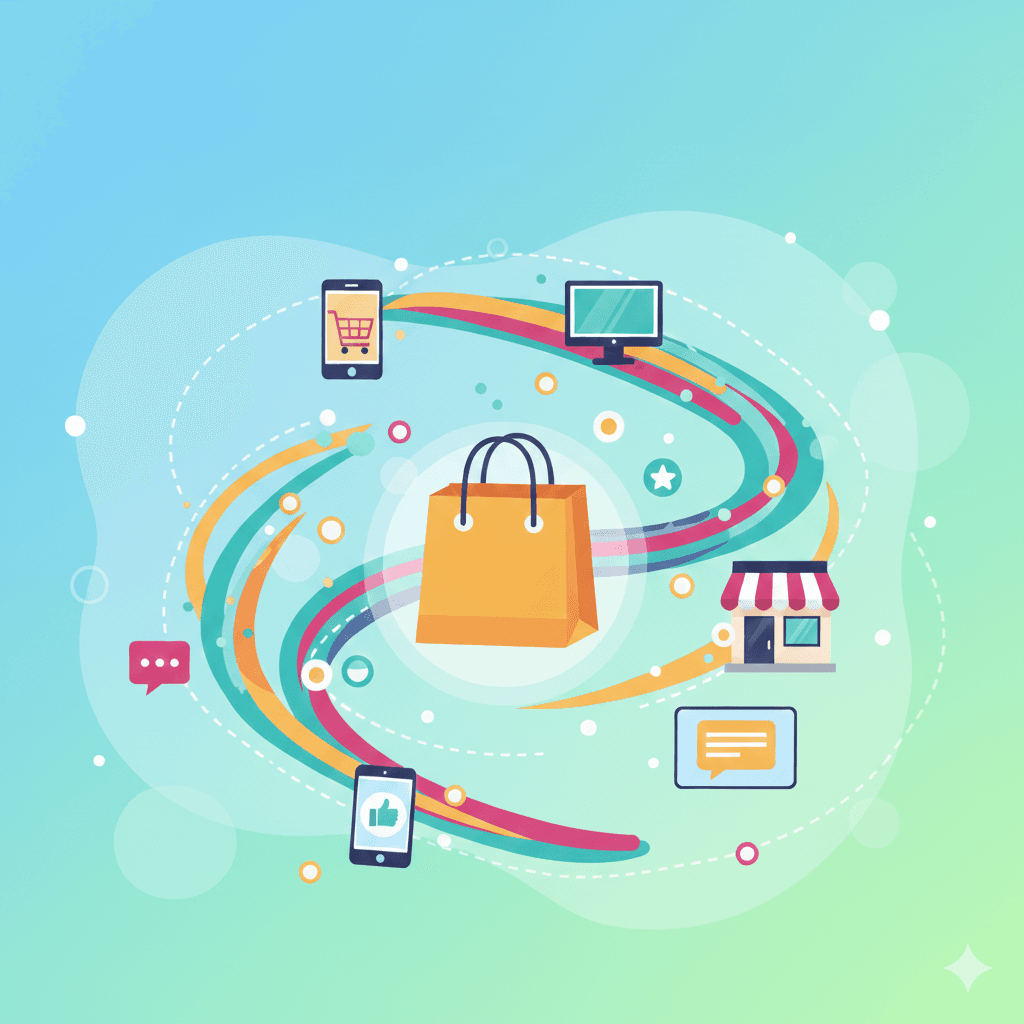
In the early days of digital retail, loyalty programs often lived in silos: one system managed the ecommerce store, another handled the in-store POS, and there was rarely a bridge between them. Today, that fragmentation is a relic of the past. The most effective omnichannel loyalty programs for retailers treat every interaction—whether a late-night mobile browse or a Saturday afternoon in-store visit—as a single, continuous customer journey.
For modern brands, loyalty is no longer defined by points alone. It is about recognizing the customer at every touchpoint, rewarding them with consistency, and activating first-party data across all channels. This guide explores how these unified systems function and why leading brands are moving toward SaaS loyalty platforms to build competitive advantages.
What Is an Omnichannel Loyalty Program?
An omnichannel loyalty program is a sophisticated customer retention system that operates seamlessly across ecommerce websites, physical brick-and-mortar stores, mobile applications, and POS systems. Unlike older models, it utilizes a shared customer profile and a unified reward logic, ensuring that the brand "remembers" the customer regardless of where the transaction occurs.
Omnichannel vs. Multichannel Loyalty
The distinction between these two approaches is critical for your 2026 strategy. In a multichannel setup, programs are often separate; points earned online might not be redeemable in-store, creating a disjointed experience. Omnichannel loyalty, however, provides one program, one balance, and one identity across every touchpoint. According to the Harvard Business Review, omnichannel customers spend more and exhibit higher brand stickiness than single-channel shoppers, making unified loyalty a mandatory strategic advantage.
Why Omnichannel Loyalty Programs Outperform Traditional Loyalty Programs
Customers Don’t Think in Channels
Shoppers today navigate a complex web of interactions: they might browse a product online, purchase it in a physical store, return it via a mobile app, and engage with follow-up offers through SMS. Loyalty programs that fail to recognize the customer across these channels break the immersion and reduce overall engagement. Research from McKinsey suggests that consumers increasingly expect brands to recognize them across all interactions, particularly when they have proactively shared their data.
Unified Loyalty Drives Higher Lifetime Value
Data from BCG indicates that brands with robust omnichannel engagement strategies achieve significantly higher repeat purchase rates. By rewarding behavior across all channels and reducing the friction between online and offline worlds, omnichannel loyalty programs foster emotional loyalty rather than just transactional habit. This consistency ensures that a reward feels like a genuine "thank you" from the brand, rather than a technical hurdle the customer has to clear.
Core Components of a Successful Omnichannel Loyalty Program
Unified Customer Identity (Online + In-Store)
At the very center of a successful omnichannel strategy is a single customer profile. This profile acts as the "source of truth," connecting ecommerce accounts, POS transaction history, and identifiers like email and SMS. Without this centralized identity, loyalty program software cannot accurately track cross-channel behavior, leading to missed opportunities for personalization and rewarding.
Consistent Earn and Redeem Rules
One of the fastest ways to lose a loyal customer is through inconsistent rules. A modern strategy ensures that customers can earn points online and in-store with the same ease. They should be able to redeem those rewards at a physical checkout, a digital cart, or through a mobile balance with total transparency. If a customer's loyalty status looks different on their phone than it does at the register, trust evaporates.
Real-Time Data Sync Across Systems
The technology behind a 2026 loyalty program must support real-time data synchronization. This means your loyalty app software must integrate deeply with your ecommerce platform (like Shopify), your POS hardware, and your broader CRM or CDP. This connectivity enables instant balance updates and tier changes, ensuring that a "Platinum" member is greeted as such the moment they walk into a store after an online purchase.
The Role of Loyalty Program Software in Omnichannel Execution
Omnichannel loyalty is a technological feat as much as a marketing one. To execute this strategy, you need a foundation that prioritizes data flow and system interoperability.
What to Look for in Loyalty Program Software
When evaluating a SaaS loyalty platform, retailers should prioritize native integrations and event-level data tracking. The software needs to capture every "earn," "redeem," and "visit" event in real-time. Furthermore, it should offer APIs or webhooks that allow this data to be activated within your analytics tools. Crucially, the front-end components must be checkout-safe and performance-friendly, ensuring that your loyalty widgets don't slow down the buying process.
Loyalty App Software vs. Enterprise Loyalty Platforms
The choice between SMB-focused loyalty apps and enterprise-grade platforms usually comes down to complexity. Mid-market tools offer faster setup and "opinionated" features that work out of the box with minimal configuration. In contrast, enterprise platforms offer the flexibility needed for multi-region, multi-brand loyalty rules, though they often require longer implementation cycles. The right choice depends on your current data maturity and the complexity of your retail footprint.
Measuring Success in Omnichannel Loyalty Programs
Key Metrics That Matter
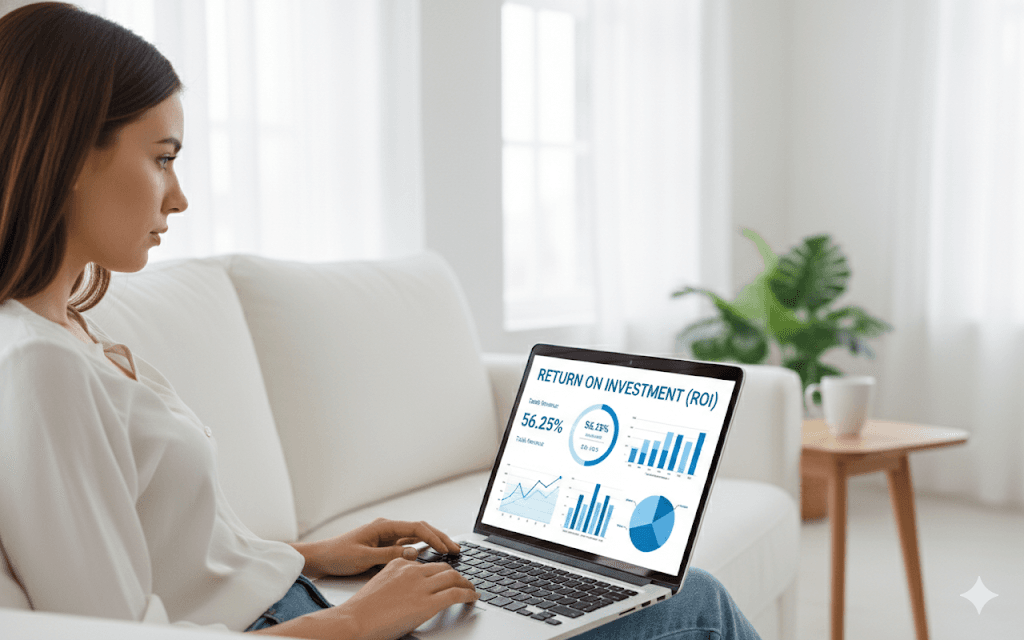
To prove the ROI of your omnichannel strategy, you must look beyond total signups. Effective programs track the cross-channel repeat visit rate, comparing the spend of members versus non-members across both digital and physical stores. You should also measure the "in-store visit lift" generated by online engagement. Salesforce research confirms that loyalty members are far more likely to make repeat purchases when their experience feels connected across every touchpoint.
Attribution Across Online and Offline Touchpoints
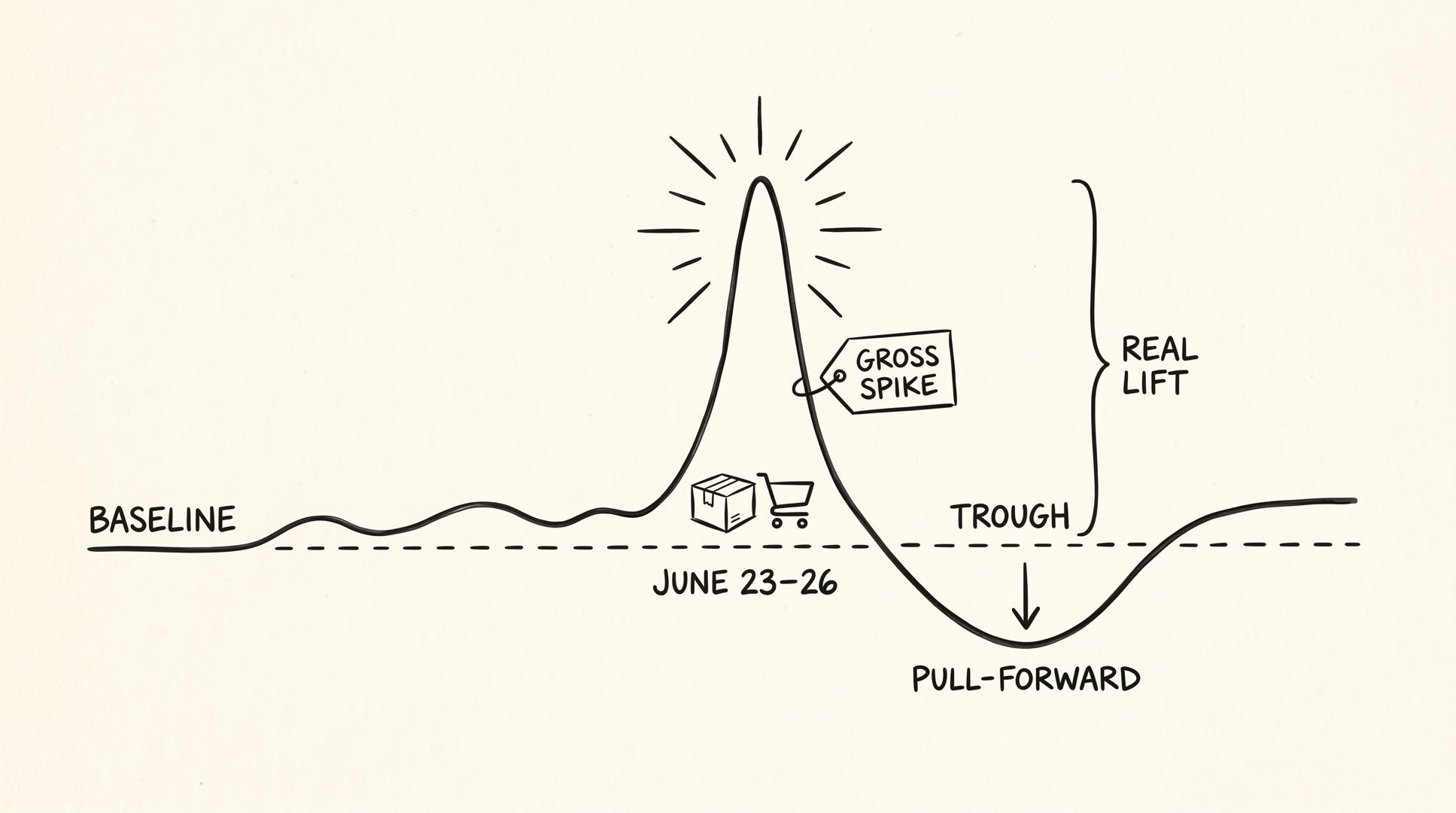
Advanced loyalty analytics allow brands to connect the dots between an online ad click and an in-store redemption. By connecting these touchpoints, retailers can measure the true incremental impact of their loyalty initiatives. This prevents the common mistake of over-attributing sales to the loyalty program that would have occurred naturally, allowing for a much more accurate ROI calculation.
Common Omnichannel Loyalty Pitfalls (and How to Avoid Them)
Siloed Data Between Ecommerce and POS
The most common failure point is invisible data. If your POS system doesn't talk to your ecommerce loyalty platform, a customer's in-store behavior remains a mystery to your digital marketing team. To avoid this, prioritize deep integrations where data flows bidirectionally in real-time.
Inconsistent Member Experience
Offering a 20% discount online but only 10% in-store (or having different point values) creates confusion. Ensure your reward logic is universal. Customers expect their loyalty status to be a portable asset that is recognized by every employee and every interface associated with your brand.
Overlooking Performance and UX
A common technical pitfall is deploying heavy, script-bloated loyalty widgets. If your loyalty program slows down your site's Core Web Vitals, it could actually reduce your overall conversion rate. Always opt for SaaS loyalty platforms that offer lightweight, asynchronous loading to protect the user experience.
How Leading Brands Use Omnichannel Loyalty Strategically
The most successful retailers in 2026 treat loyalty as more than just a "discount club." They view it as a personalization engine and a tool for shaping behavior. By using loyalty data as a unifying layer, they can test specific offers—such as a "double points weekend" for in-store visits only—to drive footfall during slow periods. These brands don't just guess what their customers want; they evolve their mechanics based on real-world behavioral data.
Choosing the Right Omnichannel Loyalty Platform
As you vet potential vendors for your loyalty programs for retailers strategy, use this brief evaluation checklist to ensure they can handle the demands of 2026:
Evaluation Checklist
✅ Real-Time Integration: Does the platform unify online and in-store data instantly?
✅ Redemption Flexibility: Can it support seamless redemption at both the digital checkout and the physical POS?
✅ Data Portability: Are loyalty events easily exportable to your CDP or analytics stack?
✅ Scalability: Can the system handle growth across multiple regions, currencies, and store locations?
✅ ROI Focus: Does the vendor provide the tools necessary to prove incremental lift and ROI?
The Future of Omnichannel Loyalty Programs
As we move deeper into a "cookieless" world, zero- and first-party data will become the lifeblood of retail growth. Omnichannel loyalty programs will increasingly leverage AI to trigger context-aware rewards, such as a push notification offering a free coffee at the specific store a customer just entered. Brands that invest in this unified infrastructure early will find themselves miles ahead of competitors who are still struggling with fragmented systems.
Conclusion — Omnichannel Loyalty Is the New Standard
In 2026, an omnichannel loyalty program is no longer an optional "extra"—it is a foundational requirement. It is the only way to drive repeat visits and increase lifetime value in a way that feels organic to the customer. By combining the right loyalty program software with a unified data strategy, you transform loyalty from a cost center into your most powerful competitive advantage.
Meet Hologrow.AI: The Future of Zero-Friction Omnichannel Loyalty
If the thought of manually mapping rules between your Shopify store and your physical POS makes your head spin, it’s time to meet Hologrow.AI. We’ve built an AI-native loyalty engine that eliminates the "setup nightmare" of traditional platforms.
With Hologrow, you don't need to be a data scientist to win at omnichannel loyalty. You simply state your goals in plain language—"I want to increase my in-store repeat rate by 20% with a $2,000 monthly budget"—and our AI agent designs, executes, and optimizes the perfect program for you. By integrating seamlessly with Shopify, Shopify POS, and Klaviyo, Hologrow ensures your data is never siloed. Plus, with our predictive ROI dashboard, you’ll see exactly how much revenue your loyalty members are contributing in real-time. It’s enterprise-grade omnichannel power with "set-and-forget" simplicity.
FAQs about Omnichannel Loyalty Programs
What is the primary benefit of an omnichannel loyalty program?
The primary benefit is a seamless customer experience. By unifying data across ecommerce and physical stores, retailers can recognize and reward customers consistently, which has been shown to significantly increase Customer Lifetime Value (CLV) and repeat purchase frequency.
How does omnichannel loyalty differ from multichannel loyalty?
Multichannel loyalty involves having separate programs for different platforms (e.g., an online points system that doesn't work in-store). Omnichannel loyalty integrates all platforms into one single system where points, tiers, and rewards are identical and accessible everywhere.
Can I launch an omnichannel loyalty program with Shopify POS?
Yes! Many modern SaaS loyalty platforms are designed specifically to integrate with Shopify and Shopify POS. This allows for real-time enrollment and reward redemption, ensuring your digital and physical stores are always in sync.
Why is real-time data sync important for loyalty?
Real-time sync prevents "reward lag." If a customer earns a reward online and walks into a store an hour later, they expect that reward to be available. Without real-time sync, the data might not update in time, leading to a frustrating and disjointed customer experience.
Does an omnichannel loyalty program help with first-party data collection?
Absolutely. It is one of the most effective tools for collecting consented first-party data. By offering a unified value proposition, you give customers a compelling reason to identify themselves at every touchpoint, providing you with a complete picture of their shopping habits.