Loyalty used to be a game of handing out punch cards or points and simply hoping customers would return. In 2026, a retail loyalty program that actually increases footfall and frequency treats loyalty as an activation layer. This modern approach combines seamless POS integration, first-party data utilization, and timely in-store nudges. The goal is to create performance-safe experiences—such as lightweight widgets—that drive engagement without slowing down the checkout process. Top retailers now tie loyalty directly to behavioral triggers, measuring the entire journey from view → click → join → repeat visit, transforming loyalty into a high-growth, measurable channel.
Why Loyalty Programs Still Matter for Retailers — and What’s Changed
Retention beats acquisition when done right
The fundamental economics of retail still heavily favor retention. Small gains in customer retention compound into outsized profitability over time. According to research by McKinsey, members of paid or high-engagement loyalty programs can spend significantly more than non-members. Strategic loyalty moves aren't just about rewards; they are about shifting customers into higher lifetime value (LTV) brackets.
Consumers expect relevance, not rebates
Gone are the days when a generic 10% coupon was enough to win a customer's heart. Data from Forrester highlights that modern consumers demand meaningful value and contextual experiences. If a program relies solely on generic rebates, it loses the "emotional loyalty" that dictates where and how often a shopper chooses to spend their money. Personalization is no longer a luxury; it is the baseline.
Personalization & AI magnify loyalty returns
Leaders in the retail space are leveraging AI to grow faster than their competition. Industry experts at BCG find that data-driven personalization is the primary enabler of modern loyalty, driving higher average order values (AOV) and visit frequency. If your retail loyalty program cannot personalize an offer based on real-time intent or a specific customer profile, it is statistically likely to underperform.
What Retailers That Win Do Differently — 6 Practical Patterns
Measure the loyalty funnel (view → click → join → repeat visit)
Winning retailers don't settle for vanity metrics like "total signups." Instead, they instrument the entire funnel to see exactly where customers drop off. By tracking how many shoppers saw a loyalty prompt, clicked it, and subsequently converted in-store within a specific window, brands can A/B test their incentives. This data-driven approach allows you to quantify incremental visits rather than just guessing. A pro tip is to run small holdout tests to prove that the loyalty program is actually driving new behavior rather than just rewarding those who would have shopped anyway.
Activate zero- and first-party data in real time
Retail winners are masters of "consented data." They capture first-party signals—such as phone numbers at the register, email captures, and POS events—and immediately feed them into their Marketing Automation or CDP systems. This allows for real-time contextual triggers. For example, a customer who hasn't visited in three weeks might receive a message saying, "Earn double points if you visit us this weekend." Utilizing tools that export these events to your ESP/CDP without lag is a non-negotiable requirement in 2026.
Make loyalty omnichannel — POS + web + mobile
A truly effective loyalty program for retailers must bridge the gap between digital and physical worlds. Customers should be able to earn and redeem rewards seamlessly, whether they are on your mobile app or standing at the register. Training staff to enroll members at the POS and ensuring that balances sync immediately is vital. Retail giants like Ulta and Amazon have proven that omnichannel syncing significantly increases both visit frequency and spend per visit.
Protect Core Web Vitals & checkout performance
Technical performance is a silent killer of loyalty programs. A loyalty widget that blocks page rendering or causes layout shifts (CLS) will destroy your conversion rate. Leading technical teams insist on asynchronous loading and server-side rendering to keep the user experience smooth. As Gartner and various performance guides reinforce, high UX performance correlates directly with higher conversion. Your loyalty program should be an asset to your site speed, not a liability.
Give members meaningful choices — not only discounts
Top-tier retail programs focus on experiential and utility rewards rather than just price cuts. This might include early access to new collections, exclusive in-store events, or even charitable donation options. These choices build a deeper emotional connection to the brand. Research into paid memberships shows that these experiential tiers often produce much higher retention because the value feels exclusive and earned.
Treat loyalty as part of your marketing stack (not a silo)
Your loyalty data shouldn't live in a vacuum. By sending loyalty-driven audiences into campaigns in platforms like Klaviyo, you can personalize site banners and feed specific cohorts into your paid social channels. When you wire loyalty data into your broader marketing workflows, you get compounding ROI. You aren't just managing a program; you are turning every loyalty event into a driver for the next repeat visit.
Metrics Retailers Should Track (beyond signups)
Repeat visit rate (within 30/60/90 days) — primary KPI
This is the North Star metric for any retailer. You must measure how often loyalty members return to your stores compared to non-members over defined periods. This is the most direct evidence of whether your program is successfully influencing behavior or simply existing.
Join conversion rate (prompt view → join) — UX KPI
If thousands of people are seeing your loyalty prompts but only a fraction are joining, you have a friction problem. You should optimize your copy, the timing of the pop-ups, and even the prompts your in-store staff are using to ensure the "barrier to entry" is as low as possible.
Incremental lift in purchase frequency & LTV — business KPI
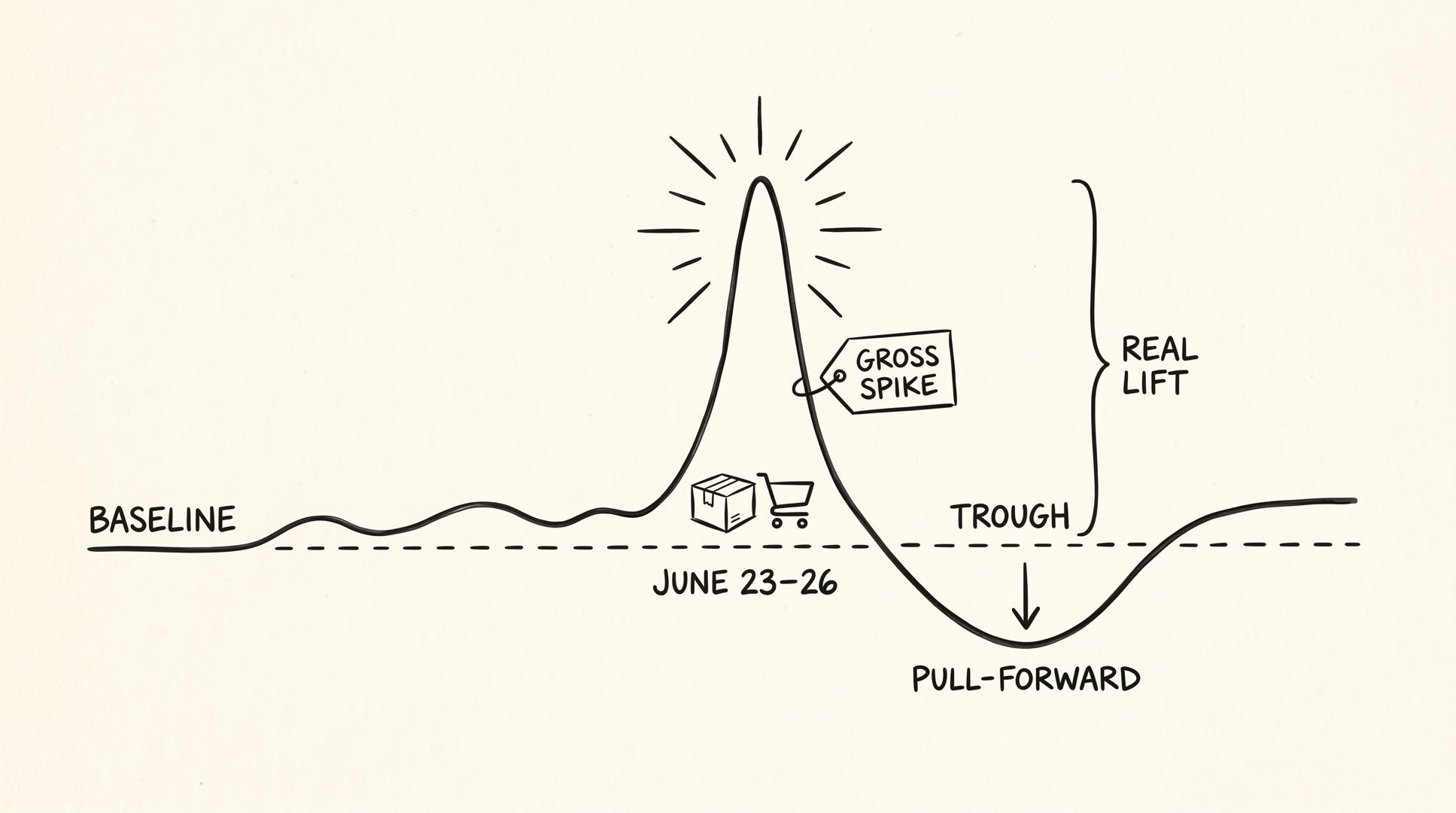
Use holdouts or test-control designs to estimate the true incremental value created by your loyalty initiatives. As suggested by Gartner, maintaining ROI discipline for loyalty investments ensures that you aren't over-subsidizing sales that would have happened naturally.
Core Web Vitals (CLS / LCP / FID) — technical KPI
Monitor these technical metrics closely during your pilot tests. If your loyalty widgets negatively impact your Largest Contentful Paint (LCP) or Cumulative Layout Shift, you might be losing more in general conversion than you are gaining in loyalty signups.
Implementation Playbook — Pilot → Scale (Retail-Focused)
Step 1 — Define the test & target KPI
Don't try to boil the ocean on day one. Pick a simple, measurable metric—like the join rate at a specific flagship store or the 30-day repeat visit rate—and define a clear timeframe for your analysis. Having a pre-registered plan prevents "moving the goalposts" later on.
Step 2 — Map events & consent
Document every single loyalty event you intend to capture, from POS joins to online redemptions. It is critical that consent flags persist across all your data exports. This ensures you remain compliant with GDPR/CCPA while maintaining a clean, actionable database for your marketing team.
Step 3 — Run a brief controlled pilot
We recommend a 2–6 week pilot where you track the new system alongside your legacy data. This "parallel tracking" phase prevents surprises and helps preserve member trust. During this time, monitor both your business KPIs and your technical site performance metrics religiously.
Step 4 — Scale with automation & guardrails
Once the pilot is validated, it’s time to flip the switch on automation. Add triggers for churn-risk nudges, sync your audiences to your ESP/CDP, and make loyalty events a standard part of your automated lifecycle marketing flows.
Vendor Evaluation Checklist for Retail Loyalty Programs
When vetting a new loyalty partner, score them on a scale of 0–5 for the following categories:
- POS & Omnichannel Support: Does the system provide real-time balance syncing? Does it specifically support Shopify POS or your current hardware?
- Real-time Event Export: Can it send data to your CDP/ESP instantly, or is there a "batch" delay that prevents real-time triggers?
- Performance Architecture: Does the vendor provide CDN-backed assets, async loading, and specific recommendations for maintaining Core Web Vitals?
- Behavioral & Intent Triggers: Can the software segment customers by intent—such as high-intent cart abandoners—and trigger personalized offers?
- Attribution & Holdout Testing: Does the vendor offer built-in tools for control experiments, or do they provide raw data exports for your own analysts?
- Deployment Speed & TCO: Look beyond the license fee. Consider the Total Cost of Ownership, documentation quality, and time-to-launch.
Retail Loyalty Program Examples — What Works in the Real World
Case: Tiered experiential perks that increase footfall
Consider a retailer that offers "Gold Tier" members early access to in-store product drops and invitation-only styling events. Because these rewards are location-dependent, members visit physical stores more often to claim their exclusive experiences, naturally increasing incidental purchases.
Case: POS-driven enrollments with instant reward
One of the most effective patterns is having staff enroll customers at the register and issuing an immediate, small-value reward—like a free accessory or instant points—that can be used on a same-day return or the next visit. This creates an immediate "win" and drastically increases the probability of a return visit.
Case: Intent-driven in-store + online nudges
Imagine a customer who browses a specific jacket online but doesn't buy. An intent-aware loyalty system sends an SMS: "This jacket is in stock at your local store. Visit this weekend to get Double Points on your purchase." This effectively closes the online → offline loop by using loyalty as the bridge.
Common Pitfalls — And How to Avoid Them
Pitfall: Making loyalty only a discount channel
If your only lever is a price cut, you are training your customers to never pay full price. To fix this, you must diversify your rewards. Offer early access, VIP services, or community-based events that increase the intent to visit without eroding your margins.
Pitfall: Installing heavy widgets without performance testing
Heavy JavaScript can tank your SEO and conversion. The fix is simple: always use asynchronous loading, monitor your Core Web Vitals, and run performance audits during high-traffic windows (like Black Friday) to ensure your loyalty tech can handle the load.
Pitfall: Not preserving consent and data during migration
Losing customer data or consent history during a platform switch is a legal and marketing nightmare. Ensure you export all consent flags and coordinate closely with your legal team to ensure that migration follows all cross-border data rules.
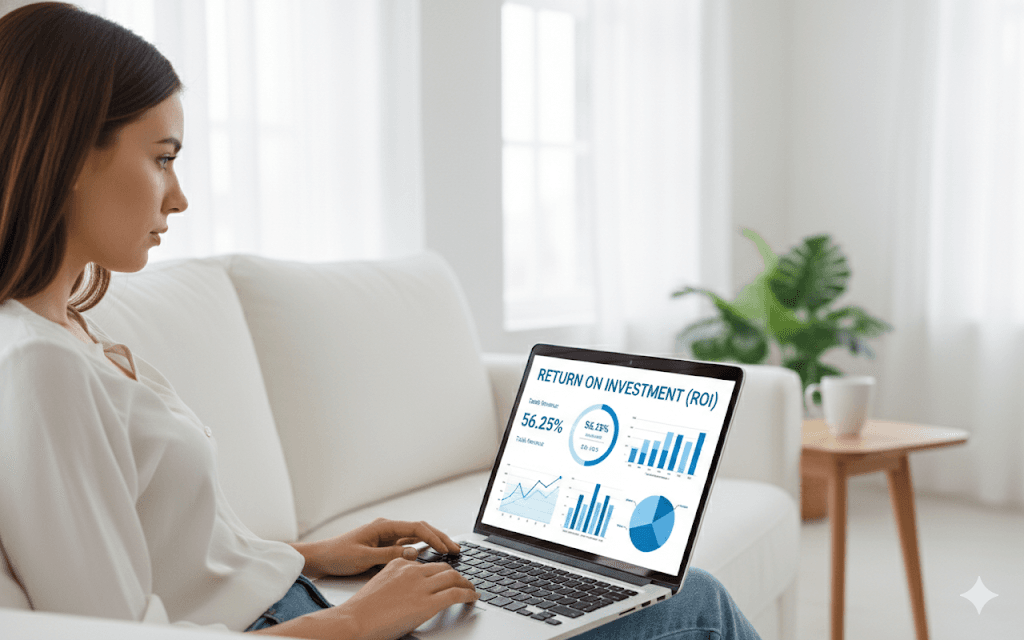
Quick ROI Model (Simple Desktop Math)
Sample Inputs
To estimate your potential returns, start with these baseline figures:
- Current join rate: 3%
- Pilot join rate (target): 5% (a 2pp lift)
- New member LTV uplift: 25% over 12 months
- Gross margin contribution per member: $X
Simple Calculation
Your Incremental Revenue is calculated as:
From this total, subtract your expected reward liability and platform costs. Running best-case and worst-case sensitivity scenarios will help you determine the "performance safety" of your investment.
Next Steps — Your 3-Point Pilot Checklist
✅ Define your North Star KPI: Will you measure the join rate or the 30-day repeat visit rate? Pick your sample stores now.
✅ Map your Data Flow: Ensure every event (join, earn, redeem) is wired into your CDP or ESP with proper consent flags.
✅ Monitor Performance: Run a 2–6 week pilot while keeping a close eye on both your business conversion and your Core Web Vitals.
If you want to keep your loyalty prompts highly visible without slowing down your site or checkout, consider testing intent-driven, shoppable micro-experience****s. Hologrow can help you design a pilot that preserves site performance while leveraging on-brand short videos or lightweight banners to increase your join and visit rates.
FAQs about Retail Loyalty Programs
How long does it take to launch a retail loyalty program?
For plug-and-play apps, basic setup and POS enrollment can take as little as 1–2 weeks. However, for API-first or enterprise-grade solutions that require deep custom integrations, you should plan for 4–12+ weeks.
Do paid membership programs work for retail?
Yes, but they require a very clear value proposition. As McKinsey notes, paid programs often drive significantly higher spend and frequency, provided the benefits (like free shipping or exclusive access) are immediately obvious.
What makes a retail loyalty program scalable?
Scalability depends on four factors: event-level data architecture, clean and automated consent handling, a CDN-backed front-end for your widgets, and a strong integration with your ESP/CDP for automated activation.
Can I integrate my loyalty program with Shopify POS?
Most modern SaaS loyalty platforms offer direct integration with Shopify POS, allowing for real-time enrollment and reward redemption. This is a critical feature for maintaining a single, unified view of your customer across all channels.
How does AI help with retail loyalty?
AI acts as a decision engine. It can automatically determine which customers are "churn risks" and send them a personalized nudge, or identify "high-value" prospects and offer them exclusive tiers—all without manual segmentation by your marketing team.