
Reward programs are one of the most effective tools brands use to increase customer retention, average order value (AOV), and lifetime value (LTV). But not all reward programs are created equal — those that genuinely influence repeat purchases are purposefully designed with behavioral psychology, data insights, and seamless user experience in mind.
In this article, we explore real reward program examples and customer reward program examples from various industries — from ecommerce and retail to subscription and hospitality — and highlight loyalty rewards examples that have demonstrably increased repeat purchases and customer engagement.
According to Bain & Company, increasing customer retention rates by just 5% can increase profits by 25% to 95%. This underlines the strategic importance of high‑performing reward programs that turn one‑time buyers into loyal repeat customers.
What Makes a Reward Program Effective?
Before we dive into specific reward program examples, it is essential to understand the core principles behind any high-impact strategy. A successful program isn't just a list of perks; it is a financial engine that aligns with business goals.
Reward Structure Should Align With Customer Behavior
Exceptional reward programs focus not just on the reward itself but on the specific behavior being incentivized. These behaviors often include the first purchase, a repeat purchase within a specific window, or even non-transactional actions like writing a review. Studies from McKinsey show that personalized and behavior-driven loyalty programs consistently outperform generic point systems, often increasing purchase frequency by as much as 10–20%.
Seamless Integration Across Customer Touchpoints
In 2026, a reward program must feel natural and consistent regardless of the channel. Whether a customer is shopping online, using a mobile app, or standing in a physical store, the experience should be unified. Brands that successfully bridge these gaps see significantly higher repeat purchase rates because the loyalty rewards examples they provide feel relevant and accessible at the exact moment of intent.
Meaningful Rewards Over Coupons and Discounts
While discounts drive short-term spikes, they rarely cultivate long-term emotional loyalty. The most effective programs prioritize social recognition (VIP status), exclusive access (early product drops), and experiential rewards. Research from Forrester highlights that emotional motivators—such as community belonging—have a far greater impact on long-term retention than simple monetary savings.
Customer Reward Program Examples That Increase Repeat Purchases
Analyzing successful customer reward program examples provides a blueprint for what resonates with modern consumers. Here are four industry leaders that have mastered the art of retention.
Example 1 — Starbucks Rewards
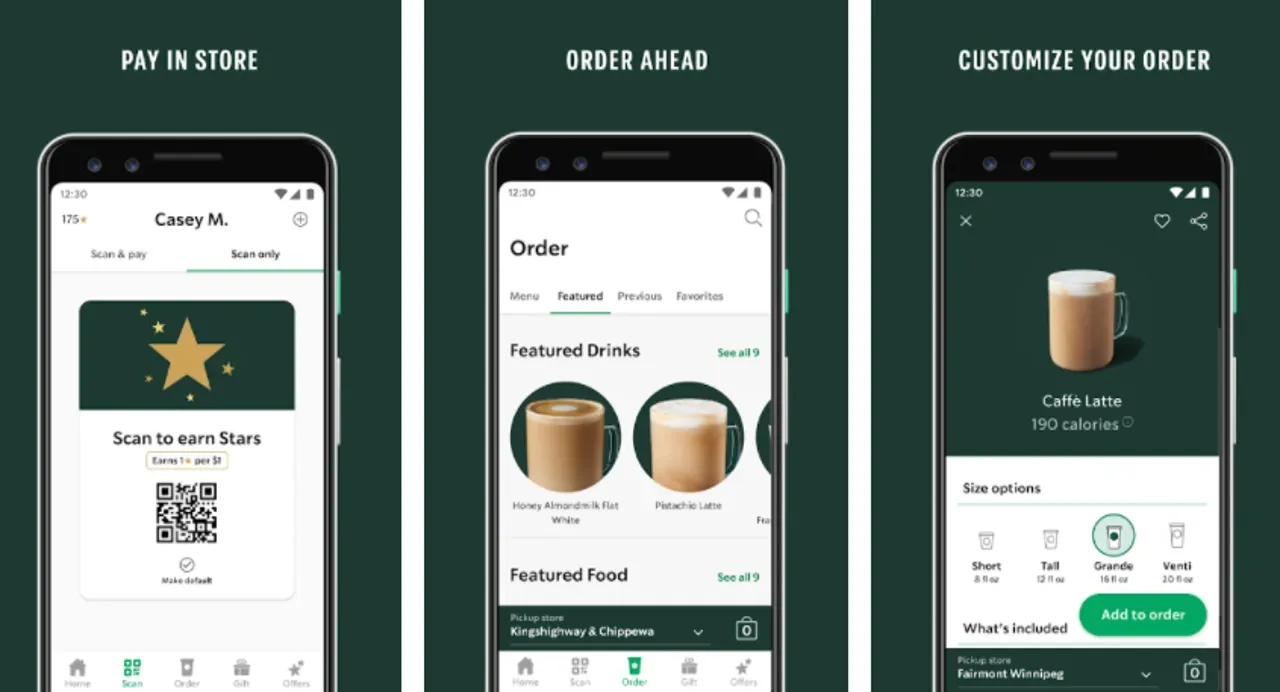
Starbucks is a masterclass in utilizing a tiered point system to drive frequency. By unlocking "Stars" for every purchase, the brand encourages users to climb the ranks for free items and personalized offers. Their mobile app integration allows for a frictionless "order and pay" experience that reinforces the habit of daily visits. Starbucks leverages behavioral economics by rewarding consistency rather than just total spend, resulting in higher ticket sizes and unmatched brand stickiness.
*Resource: *https://www.zdnet.com/article/starbucks-leverages-loyalty-program-digital-to-navigate-customers-new-normal/
Example 2 — Sephora Beauty Insider
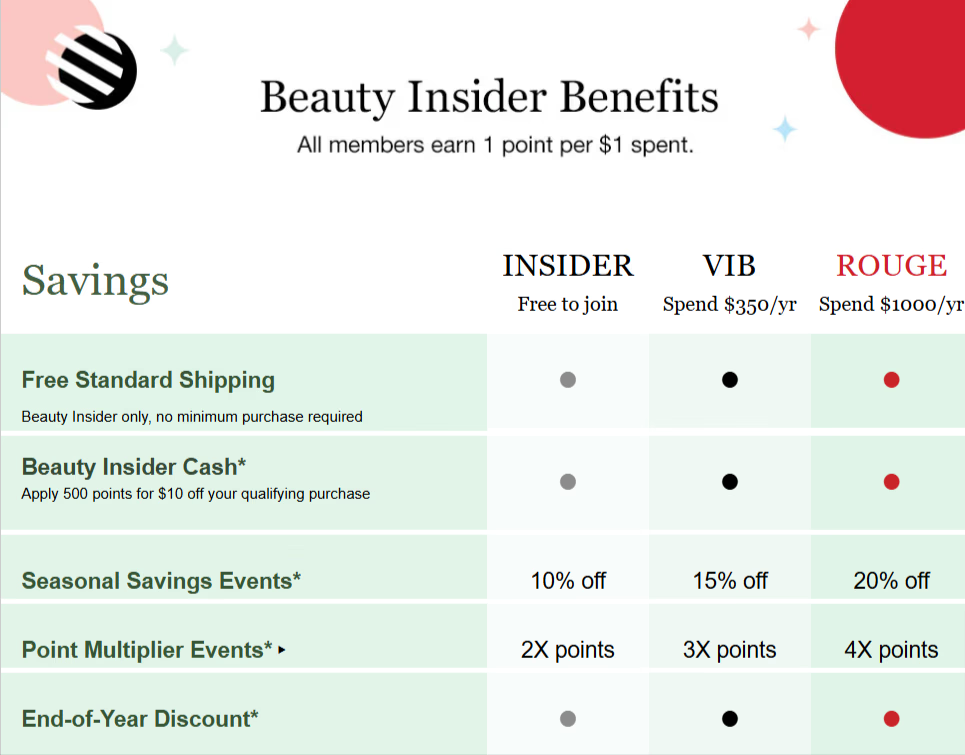
The Sephora Beauty Insider program is perhaps one of the most cited loyalty rewards examples in the retail world. It features three distinct tiers—Insider, VIB, and Rouge—each offering escalating perks that foster aspirational loyalty. Beyond simple points, Sephora offers experiential rewards like exclusive beauty classes and early access to sales for their top-tier members. This structure creates a "prestige" effect, where customers are motivated to spend more specifically to maintain their status.
*Resource: *https://www.sephora.com/
Example 3 — Amazon Prime
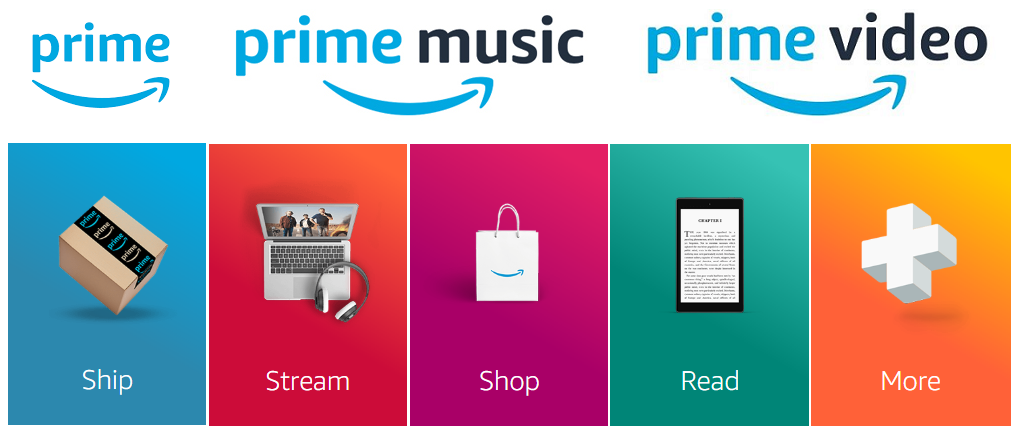
Amazon Prime demonstrates that a reward program doesn't always need a point system. By charging a membership fee in exchange for free shipping, Prime Video, and exclusive deals, Amazon creates a psychological investment. Once a customer pays for the membership, they are incentivized to funnel all their shopping through Amazon to "get their money's worth." This has led to industry-leading retention rates and a habitual purchase cycle that is difficult for competitors to break.
*Resource: *https://www.amazon.com/amazonprime
Example 4 — Nike Membership
Nike’s approach is deeply rooted in lifestyle and community. Members get early access to high-demand sneakers, personalized training content, and invitations to exclusive sporting events. By integrating their fitness apps into the loyalty ecosystem, Nike rewards engagement that goes beyond the checkout counter. This strengthens emotional loyalty and ensures the brand remains a constant presence in the customer’s daily life, not just when they need new gear.
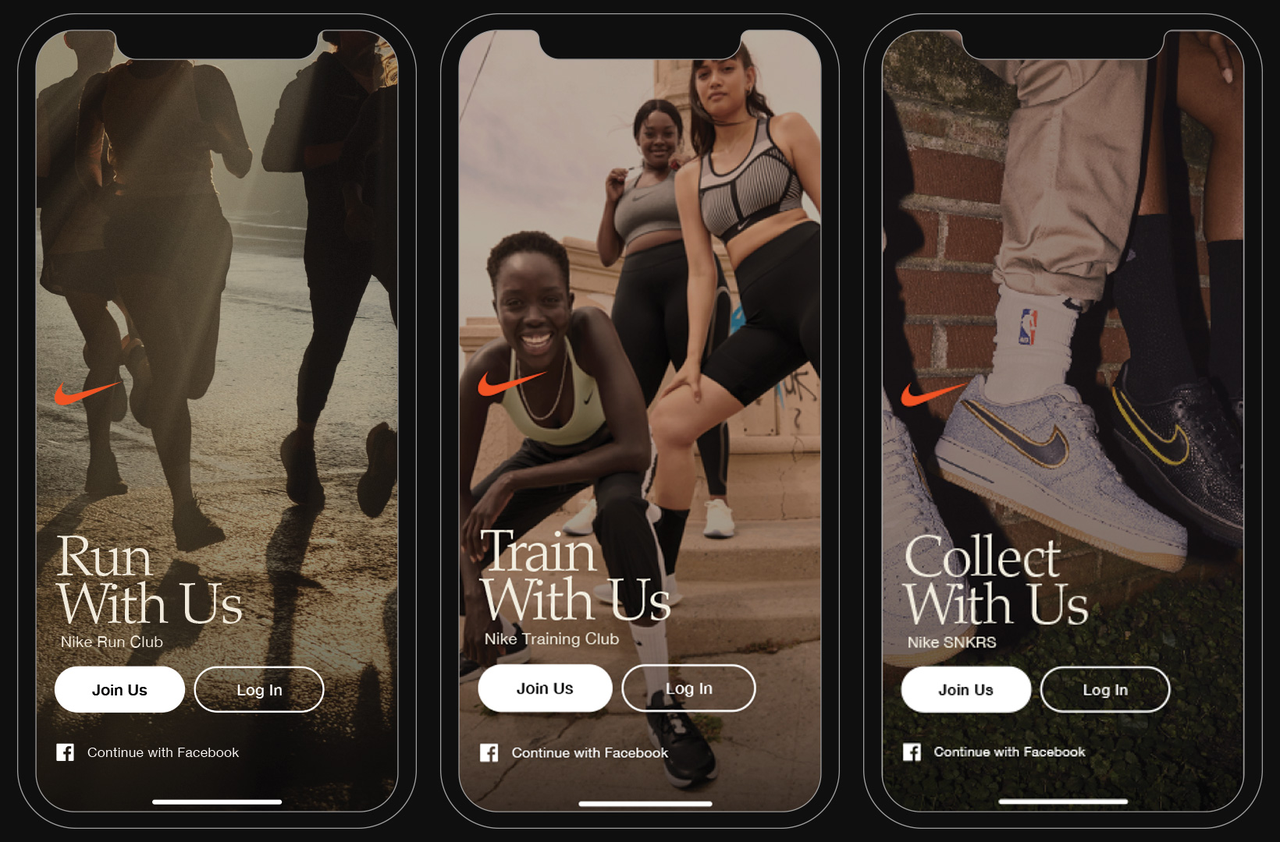
*Resource:*https://www.nike.com/membership
Loyalty Rewards Examples from Tech & SaaS
Digital brands are innovating beyond traditional retail models, using gamification and referral loops to keep users coming back.
Example 5 — Duolingo Streaks & XP Rewards
Duolingo has successfully gamified the learning process. Instead of traditional currency, they use streaks and experience points (XP) to reward daily engagement. The psychological pain of "breaking a streak" acts as a powerful retention tool. This is a prime example of how rewards can foster habit formation in a non-transactional context, leading to massive daily active user (DAU) growth.
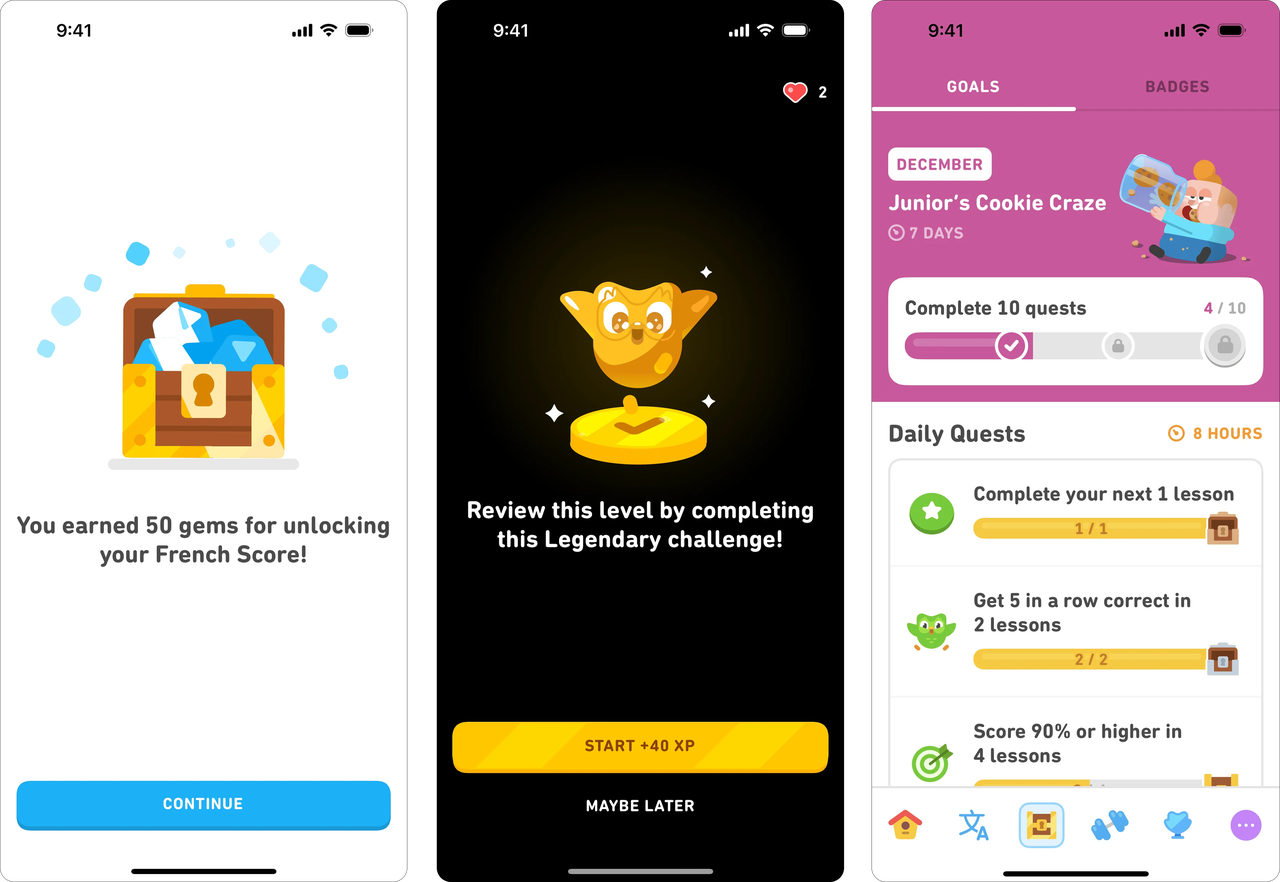
*Photo Resource: *https://www.duolingo.com/
Example 6 — Dropbox Referral Credits
Dropbox’s growth was famously fueled by a simple yet brilliant referral reward: extra storage space. By rewarding users with product utility instead of cash, Dropbox ensured that the reward was highly relevant to their core experience. This aligned acquisition and loyalty, as both the referrer and the referee became more invested in the product through increased storage capacity.
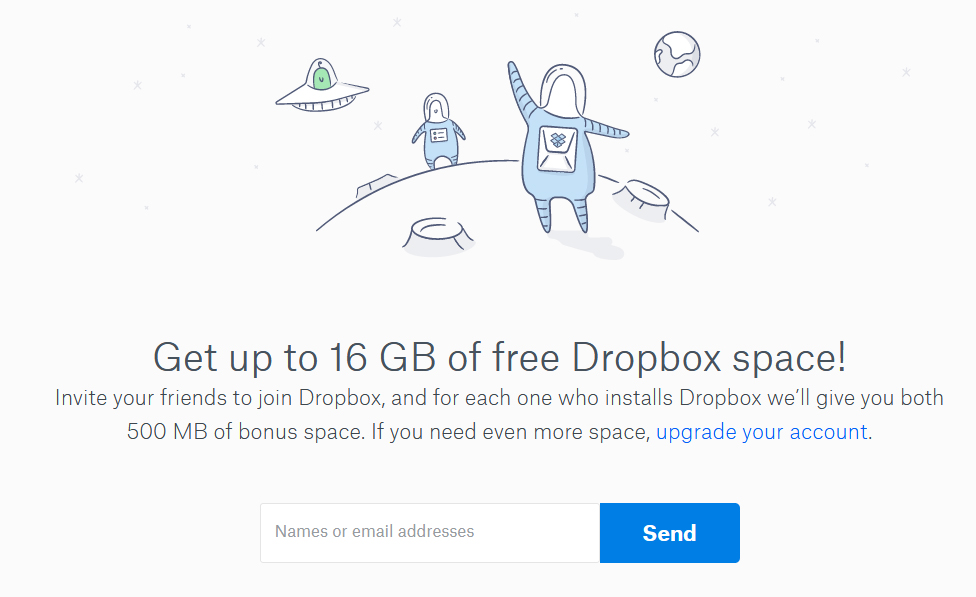
*Photo Resource: *https://www.dropbox.com/refer
Launch Your High-ROI Loyalty Program in Minutes with Hologrow
Building these world-class programs used to take months of manual setup and expensive consulting. With the Hologrow AI Loyalty Program Generator, you can launch an intent-aware program in minutes.
Our AI agent doesn't just give you a template; it designs a custom strategy based on your specific business goals. Whether you want a Starbucks-style tiered system or a Nike-inspired community program, Hologrow handles the logic, the setup, and the ROI calculations automatically.
Try the Hologrow AI Generator today** and see how AI can turn your customer base into a growth engine.**
Common Design Patterns in Effective Reward Programs
When looking at various reward program examples, several recurring patterns emerge that differentiate high-performing programs from the rest.
Pattern 1 — Tiered Loyalty Structures
Tiered programs (e.g., Silver, Gold, Platinum) create a sense of progression. Customers feel a sense of achievement as they "level up," which reduces the likelihood of them switching to a competitor where they would have to start over at the bottom.
Pattern 2 — Behavioral Incentives, Not Just Spend
The most modern programs reward actions like referrals, reviews, and social shares. These actions provide a high return on engagement because they turn your existing customers into a decentralized marketing team, driving both retention and new customer acquisition simultaneously.
Pattern 3 — Experience & Status-Based Rewards
As consumers become more discount-fatigued, rewards attached to status (like VIP concierge lines) or exclusive experiences (like member-only dinners) are becoming the primary drivers of emotional loyalty. These rewards are harder for competitors to replicate and create a much deeper brand affinity.
How to Apply These Examples to Your Brand
Step 1 — Start With Clear Loyalty Objectives
Before choosing your mechanics, decide on your primary goal. Are you looking to increase repeat purchase rates, boost brand advocacy, or reduce churn? A program designed for a subscription model (like Prime) looks very different from one designed for frequent retail visits (like Starbucks).
Step 2 — Use Data to Drive Reward Personalization
Generic rewards are often ignored. Programs that use customer data to trigger personalized offers—such as "Double points on your favorite category this weekend"—can outperform generic programs by up to 30%.
Step 3 — Implement Real-Time Incentives
Timing is everything. Modern loyalty software, such as Hologrow.ai, allows brands to trigger rewards at moments of high intent. For instance, offering a "same-day return" bonus the moment a customer leaves a physical store can dramatically increase visit frequency.
Real-World Reward Program Design Checklist
Use this checklist to audit your existing program or build a new one:
- ✔ Do you segment customers based on real-time behavior and lifetime value?
- ✔ Does your program reward engagement (reviews, referrals), not just transactions?
- ✔ Are rewards seamlessly redeemable across all online and offline channels?
- ✔ Do you have a clear way to measure the incremental ROI of your rewards?
- ✔ Can your system trigger personalized rewards automatically based on customer intent?
Conclusion — What the Best Reward Program Examples Have in Common
The most effective reward program examples in 2026 share three common traits: they are intent-aware, personalized, and fully integrated across the customer journey. By moving beyond simple transactional discounts and focusing on emotional motivators like status and community, brands can create a "moat" that protects them from rising acquisition costs.
Whether you are inspired by the gamification of Duolingo or the membership model of Amazon, the key to success is using data to ensure every reward adds value to the customer's life.
Ready to build your own high-performing program? **Book a Demo and **Let the Hologrow AI Agent design your loyalty strategy today and start driving measurable repeat visits.
FAQs about Reward Programs That Drive Results
What are the best reward program examples?
The best examples are those that focus on personalization and behavioral psychology. Starbucks (frequency), Amazon (membership), and Sephora (status) are widely considered the gold standards for their ability to influence long-term shopping habits.
How do you measure the success of a reward program?
You should focus on retention lift, incremental revenue per member, and redemption rates. Avoid vanity metrics like "total members joined" and focus instead on how the program increases the lifetime value (LTV) of your cohorts.
Should reward programs be points-based?
Not necessarily. While points are effective, many brands find success with membership benefits (Prime), gamified streaks (Duolingo), or experiential perks (Nike). The best structure depends on your product's purchase cycle.
How does AI help with customer reward programs?
AI, like the engine behind Hologrow, allows for "intent-aware" rewards. It can predict when a customer is about to churn or when they are most likely to make an upsell purchase, triggering the perfect reward at the perfect time.
What is the fastest way to launch a loyalty program in 2026?
The fastest way is to use an AI Loyalty Program Generator. These tools eliminate the need for manual rule-setting and complex coding, allowing you to launch a data-driven program in a fraction of the time it took traditionally.